Each collection is planned as a whole and closed once published. Below is the story behind each one, how it was made, when it was created, and the reasoning behind its edition sizes.
Acts of Witness
Developed 2025 · first editions issued 2026 · Open - editions remaining
- Story
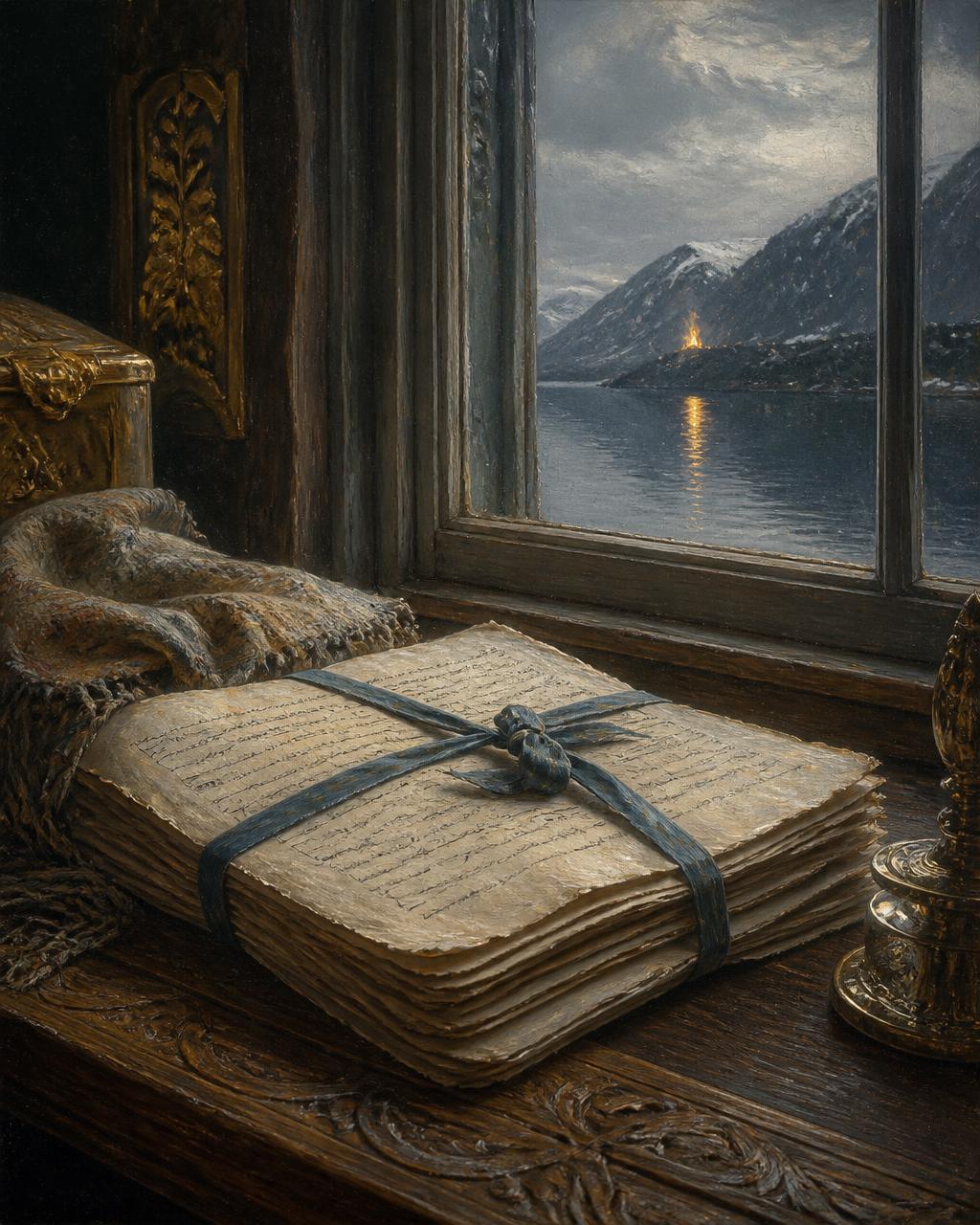
- Three fragile records speak where official history once looked away: the signatures of Norwegian women excluded from the 1905 vote, letters carried by balloon from besieged Paris and the testimony of a Mexican revolutionary nurse.
- Creative process
- Each composition begins with a documented paper artifact. The studio removes the crowd and lets ink, folds, seals and wear carry the human consequence.
- Philosophy
- A document can become a portrait of everyone the official image left outside its frame.
- Editions
- Every available work currently begins at Edition 1. The next numbered edition opens only after the active edition is fully held.
Works in this collection: The Uncounted Voices, The Last Balloon, The Rebel's Letter.
Objects That Survived
Ongoing study · opened 2026 · Ongoing - new pieces added at the studio's pace
- Story
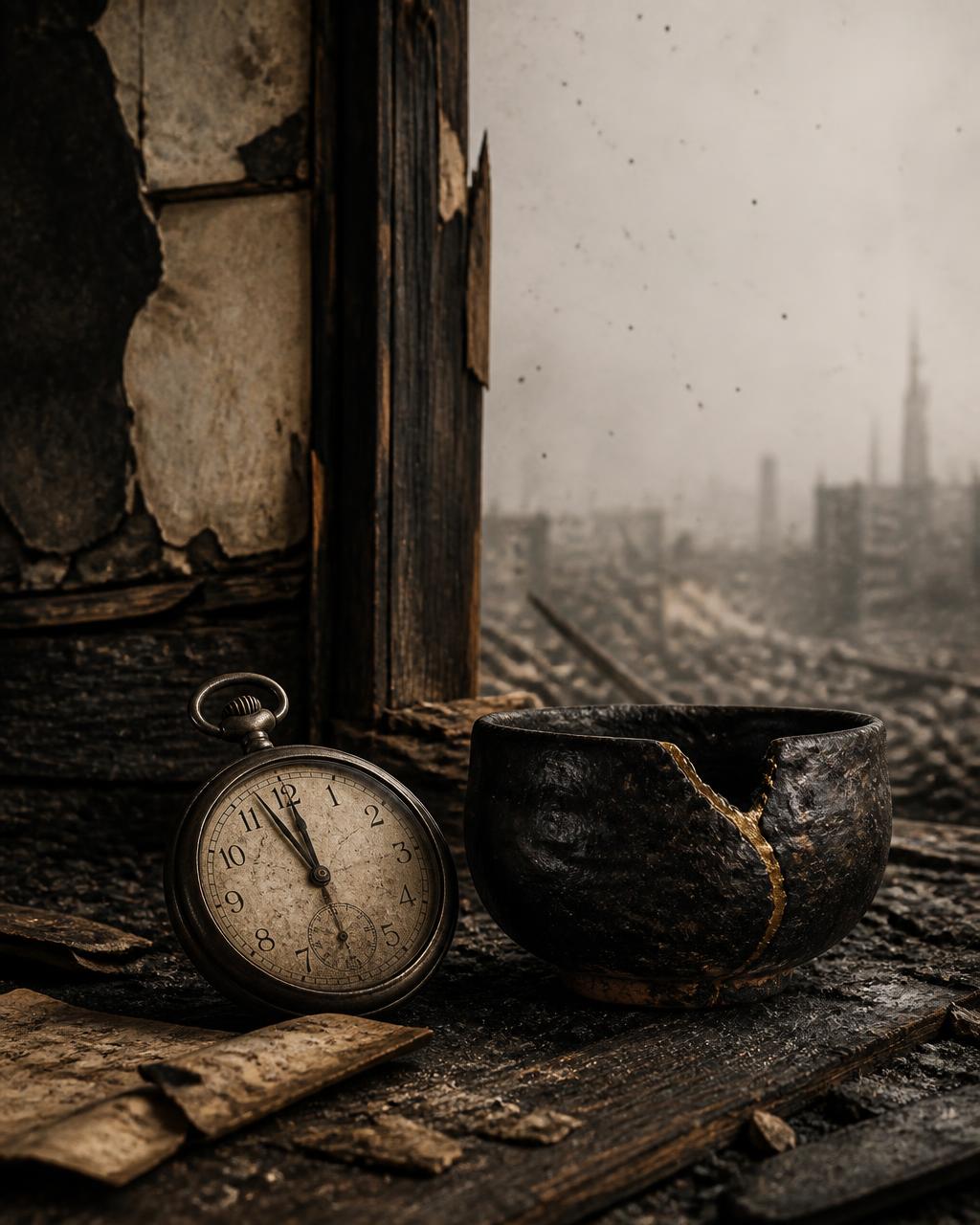
- A Goryeo celadon vessel, a watch stopped in the Great Kantō earthquake and a Venetian choir book lifted from the 1966 flood hold the instant when survival was not guaranteed.
- Creative process
- Museum records and material techniques inform each scene. The artifact remains alone, lit as evidence rather than decoration.
- Philosophy
- What remains can speak with unusual force for everything that disappeared around it.
- Editions
- All three works are currently at Edition 1 with fixed shares recorded per edition.
Works in this collection: Moon in the Kiln, Eleven Fifty-Eight, Above the Waterline.
Divided Archives
Assembled 2026 · Open - editions remaining
- Story
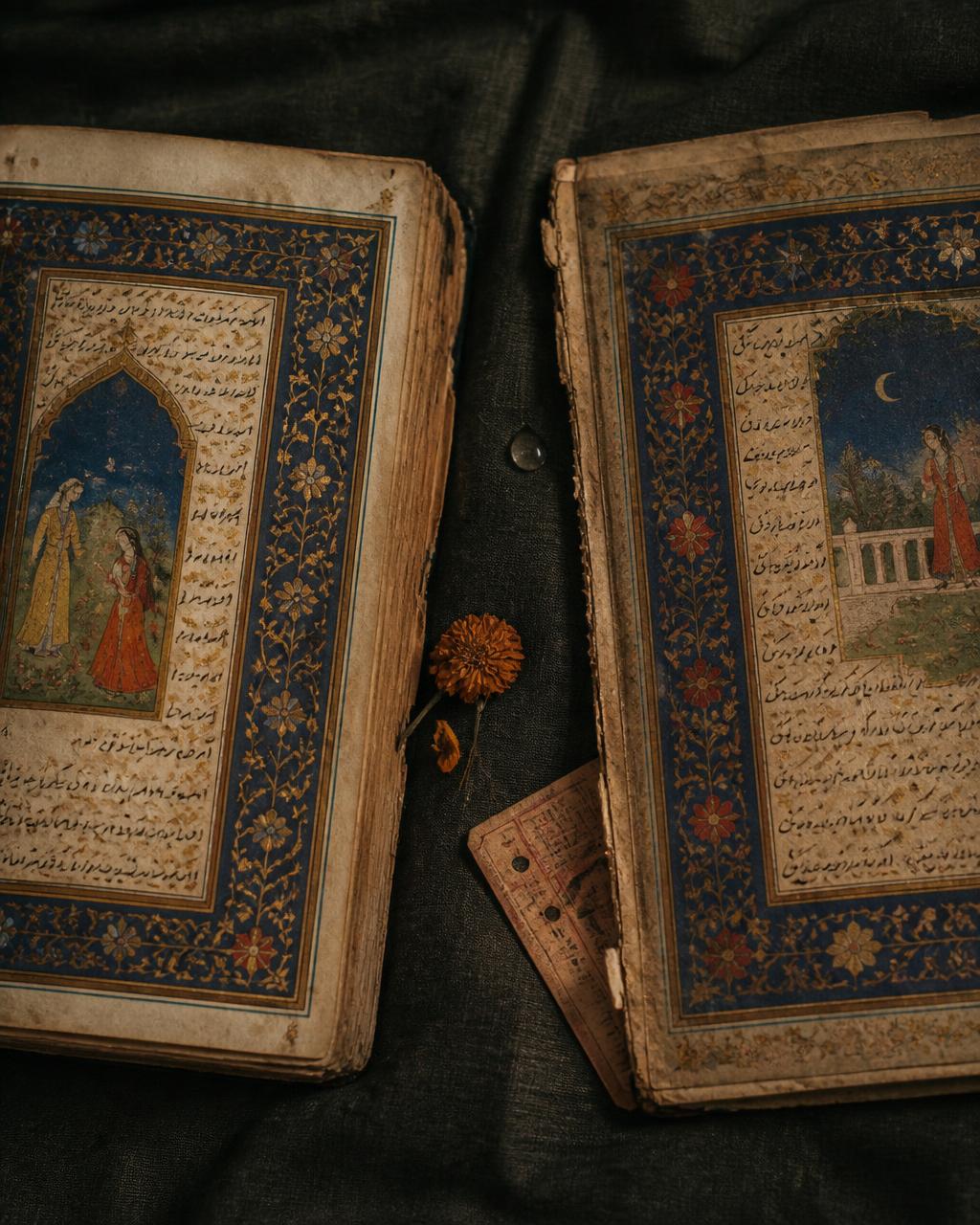
- A love poem split by Partition, imperial porcelain buried for imperfection and a rediscovered Amazon map expose three different ways a record can be divided, hidden and found again.
- Creative process
- Missing folios, kiln archaeology and historical cartography shape three tactile archive studies without reproducing an existing artwork.
- Philosophy
- Absence is not empty. A seam, a shard or a faded river line can reveal who decided what history deserved to remain whole.
- Editions
- Every work currently begins at Edition 1 and follows the published automatic edition sequence.
Works in this collection: The Divided Poem, The Emperor's Shards, The Lost River Map.
Knowledge in the Hand
Two craft histories · 2026 · Open - Edition 1
- Story
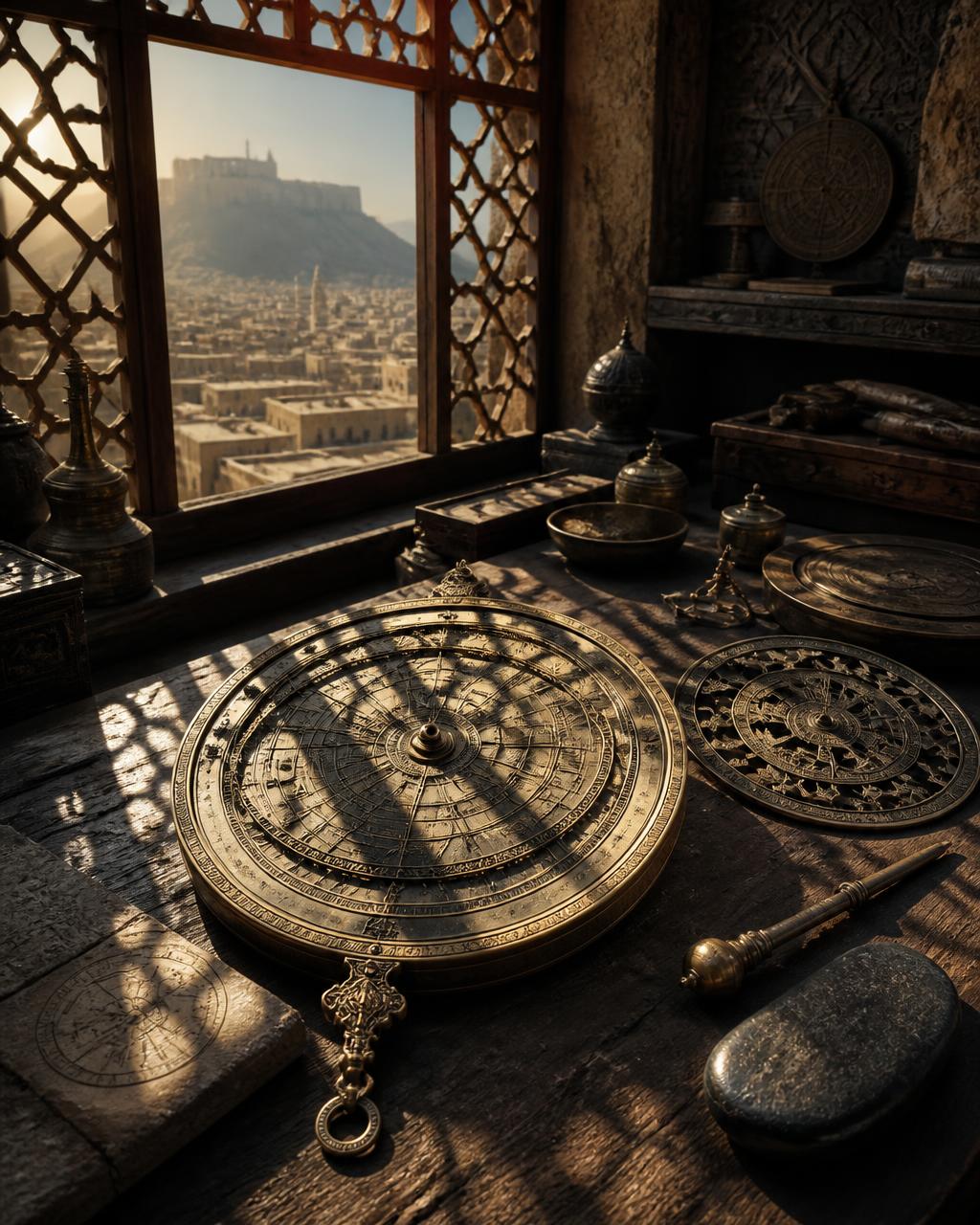
- A tenth-century astrolabe maker in Aleppo and generations of bronze casters on Igun Street preserve knowledge through instruments, wax, metal and exacting repetition.
- Creative process
- The studio researched the working tools and physical stages of each craft, placing process-not spectacle-at the centre of the image.
- Philosophy
- An object is evidence of a mind at work. Technique can survive even where a maker's biography does not.
- Editions
- Both works begin at Edition 1, with later editions governed by the same fixed inventory rules.
Works in this collection: The Maker of Stars, What the Wax Remembered.
How to read an edition
A label such as 12 / 100 means edition number 12 of a total of 100 numbered editions of that work. Each edition is divided into a fixed number of shares; buying shares gives you a recorded percentage of that specific edition. Pricing and live availability are open to everyone; an optional partner code can be added during checkout when a partner referred the purchase.
Full mechanics are set out on the Transparency page and in the Digital Ownership Terms.